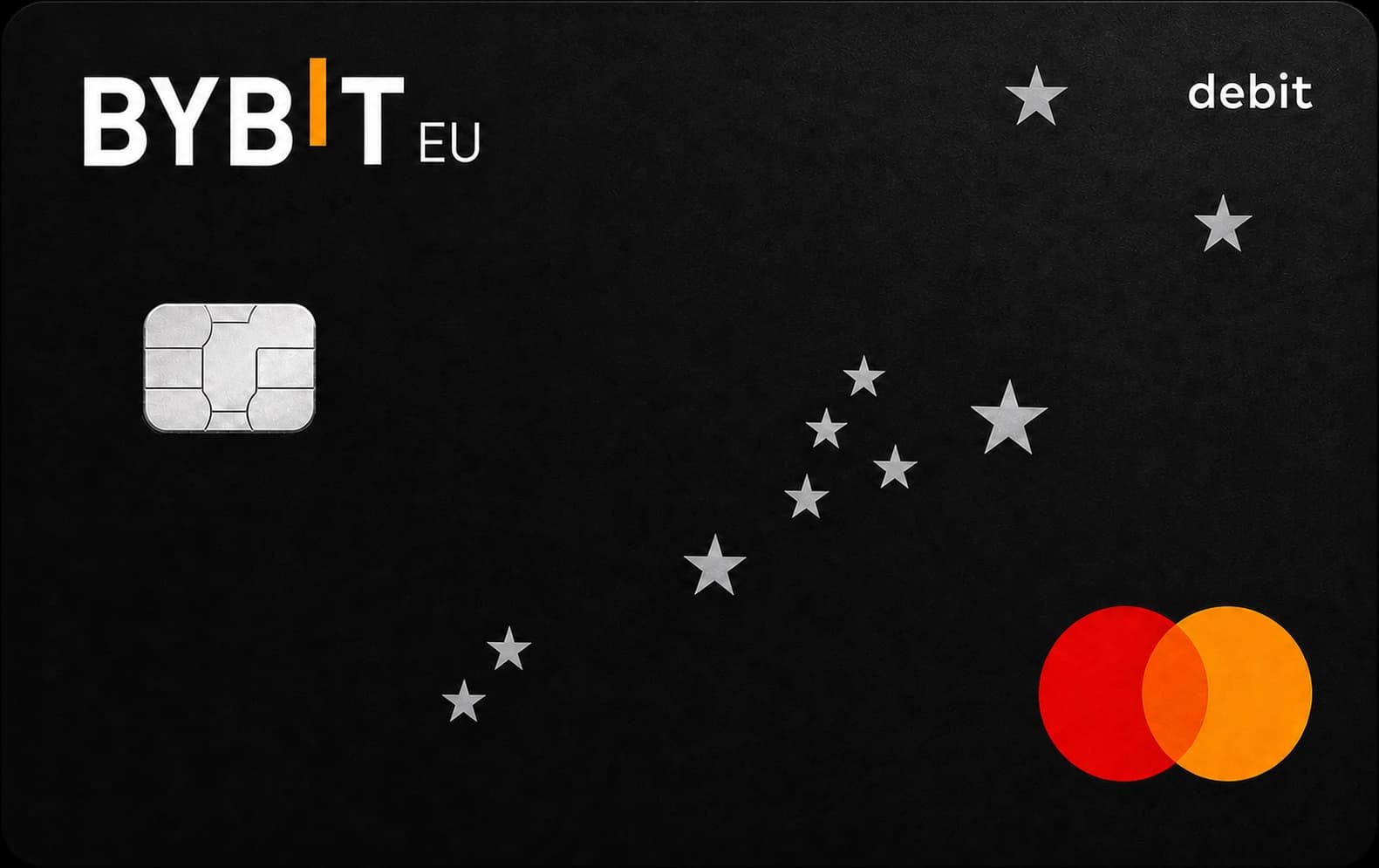
Bybit EUBybit EU
68
Side-by-side card comparison
Bybit Card (EU) has the higher Overall Score by 6 points (68 vs 62). Bybit Card (EU) looks stronger for Cashback, Travel, and Lowest fees, while Lava Card comes out ahead for Funds control and Transfers.
01 · Overall score versus use-case fit
Bybit Card (EU) has the higher Overall Score in this comparison. Lava Card may be the better fit for Funds control and Transfers. A score cannot tell you whether a provider will accept your application or whether every feature will be available where you live, so check the latest provider terms before signing up.
Bybit Card (EU) comes out ahead for Cashback, Travel, and Lowest fees in this comparison. It is worth a closer look if those are the parts of a card you expect to use most.
Lava Card comes out ahead for Funds control and Transfers in this comparison. It is worth a closer look if those are the parts of a card you expect to use most.
The overall leader does not win every use case, so the reason you want the card matters here.
Bybit Card (EU) has the higher Overall Score by 6 points.
Lava Card has the lower published FX fee (0% provider FX fee vs 0.5%).
The providers have not published enough matching base cashback information to name a winner. Check the maximum rates, reward assets, caps and conditions below.
Bybit Card (EU) uses a custodial balance setup, while Lava Card uses a hybrid custody setup. Neither approach is always better, so choose the level of control you are comfortable with.
Bybit Card (EU) lists more card formats and phone-wallet options (4 vs 2).
Lava Card lists more stablecoins and ways to send money out (5 vs 4).
02 · Read the shortlist
Start with the strengths that drive each use-case result, then test them against costs and access.
03 · Compare the details
Comparable figures receive a marker; missing or unverified details stay visible instead of becoming an assumed advantage.
Bybit Card (EU)Overall68Lava CardOverall6204 · The trade-off
Bybit Card (EU) finishes ahead with an Overall Score of 68 versus 62 for Lava Card. Lava Card has the lower published FX fee (0% provider FX fee vs 0.5%). The providers have not published enough matching base cashback information to name a winner. Check the maximum rates, reward assets, caps and conditions below.
Lava Card still comes out ahead for Funds control and Transfers, which may matter more than the overall result if that is how you plan to use the card. Bybit Card (EU) uses a custodial balance setup, while Lava Card uses a hybrid custody setup. Neither approach is always better, so choose the level of control you are comfortable with.
Lava Card lists more stablecoins and ways to send money out (5 vs 4). Before applying, confirm availability in your country and recheck the provider's current fees and reward conditions.
If one card now looks like the better fit, you can check the latest application terms on the provider site or read our full Bybit Card (EU) and Lava Card reviews first.
05 · Common questions
Bybit Card (EU) has the higher Overall Score (68 vs 62). That does not make it better for everyone: your preferred fees, rewards, way of holding funds and country availability can change the practical choice.
Lava Card has the lower published FX fee (0% provider FX fee vs 0.5%). Compare plan, FX, card-spend, top-up and ATM charges separately because one fee does not represent the full cost.
The providers have not published enough matching base cashback information to name a winner. Check the maximum rates, reward assets, caps and conditions below. Maximum rates may depend on tiers, caps, categories or other conditions, so the entry rate and reward asset matter too.
Bybit Card (EU) uses a custodial balance setup, while Lava Card uses a hybrid custody setup. Neither approach is always better, so choose the level of control you are comfortable with.
The latest information check for these two cards was October 11, 2026, using 38 official sources in total. Each full card review lists its own check date, sources and anything the provider has not clearly disclosed.