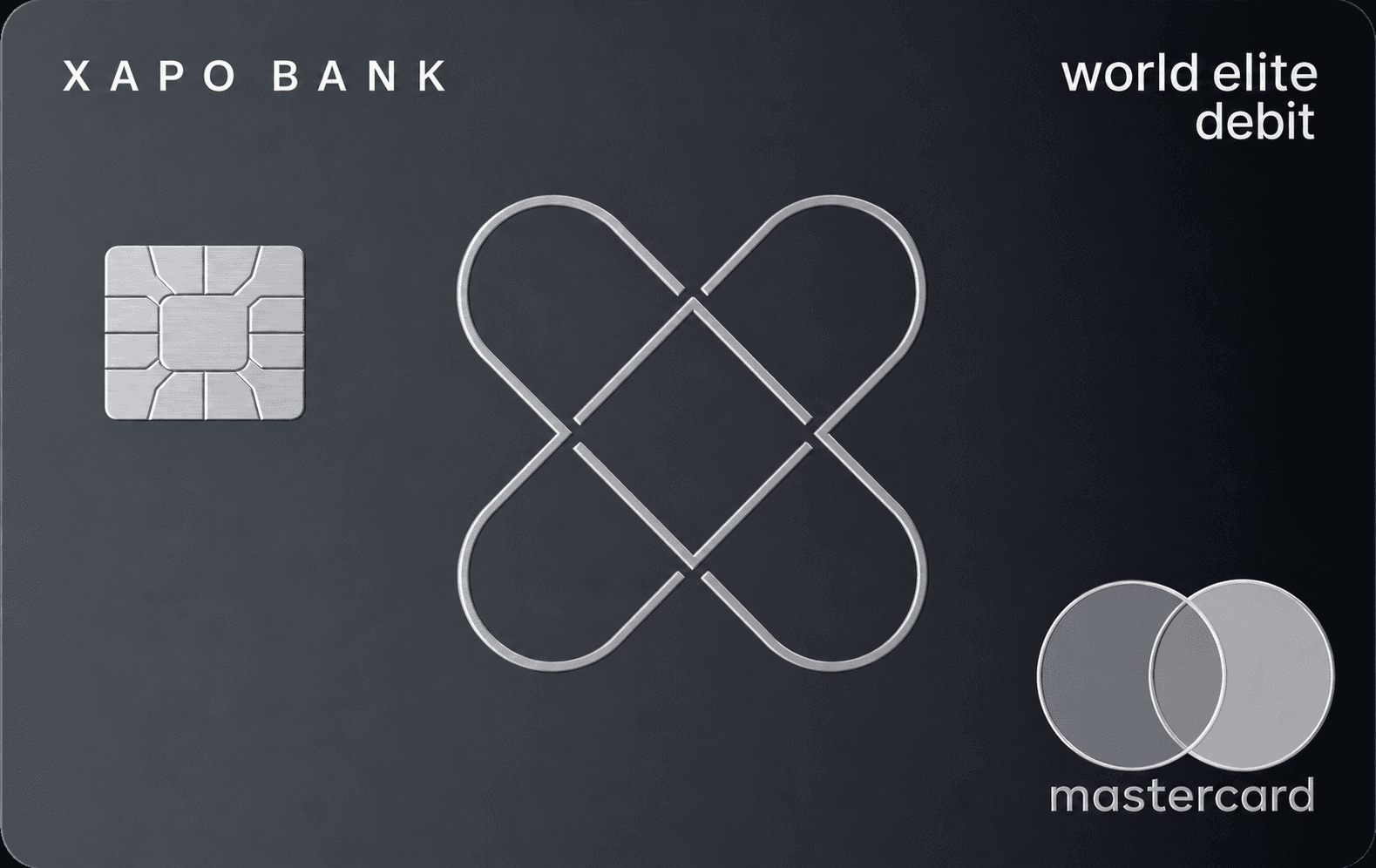
Xapo BankXapo
70
Side-by-side card comparison
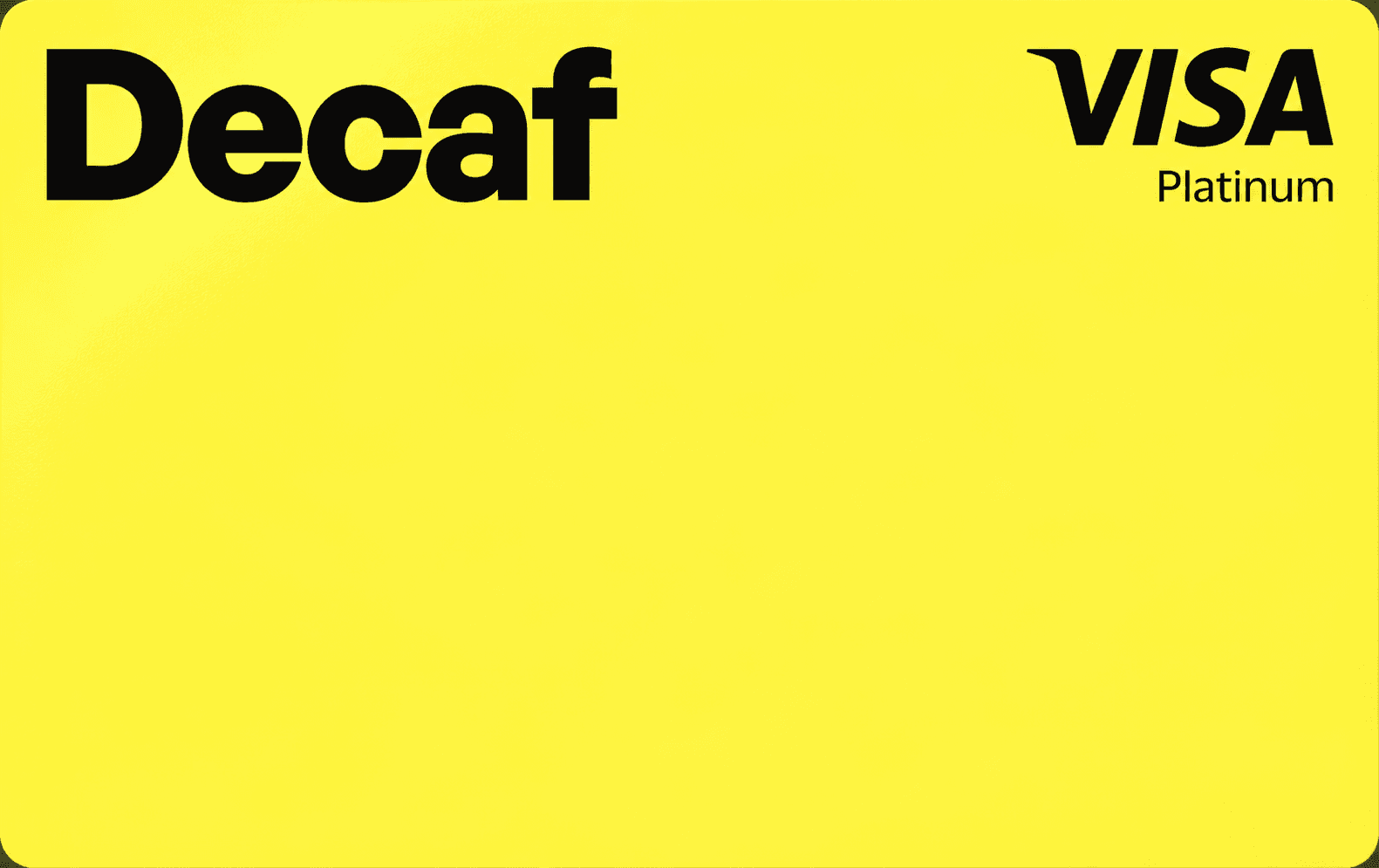
Xapo Card has the higher Overall Score by 6 points (70 vs 64). Xapo Card looks stronger for Travel, Funds control, Lowest fees, and Transfers, while Decaf Card comes out ahead for Cashback.
Fees & features
Best markers compare published, comparable values. Unknown values never win a row.
Xapo CardOverall70Decaf CardOverall64Choosing between these cards
Decaf's base plan is $0, compared with $1,000/year for Xapo. This favours Decaf for occasional use; card issuance and transaction fees are separate.
For FX on foreign-currency purchases, Xapo lists 0–0.29%, versus 1–2% at Decaf. Use the tariff for your country and plan; conversion fees can add to these figures.
For bank payouts, Xapo has reviewed routes in EUR, GBP, USD; Decaf has routes in ARS, BRL, COP, EUR and other currencies. Choose the route for your destination currency and check its country coverage and fee.
Common questions
Xapo Card has the higher Overall Score (70 vs 64). That does not make it better for everyone: your preferred fees, rewards, way of holding funds and country availability can change the practical choice.
Decaf Card has the lower starting plan cost ($0 vs $1,000/year). Compare plan, FX, card-spend, top-up and ATM charges separately because one fee does not represent the full cost.
The providers have not published enough matching base cashback information to name a winner. Check the maximum rates, reward assets, caps and conditions below. Maximum rates may depend on tiers, caps, categories or other conditions, so the entry rate and reward asset matter too.
Xapo Card uses a custodial balance setup, while Decaf Card uses a non-custodial account setup. Neither approach is always better, so choose the level of control you are comfortable with.
The latest information check for these two cards was October 19, 2026, using 42 official sources in total. Each full card review lists its own check date, sources and anything the provider has not clearly disclosed.